Europe Digital Payment Market Analysis and Forecast to 2030
Europe Digital Payment Market Size
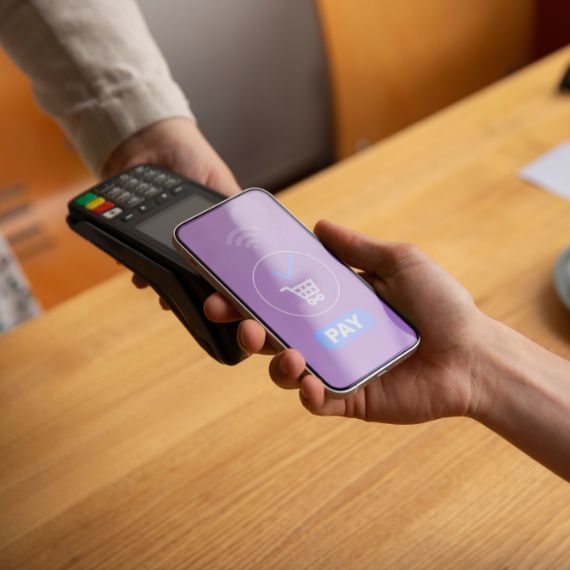
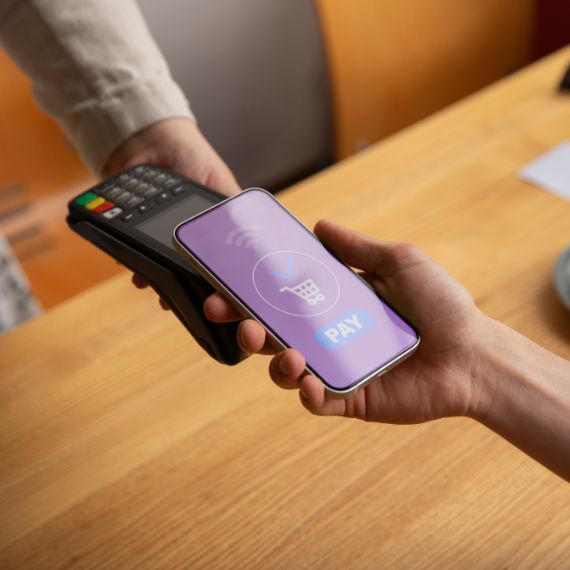
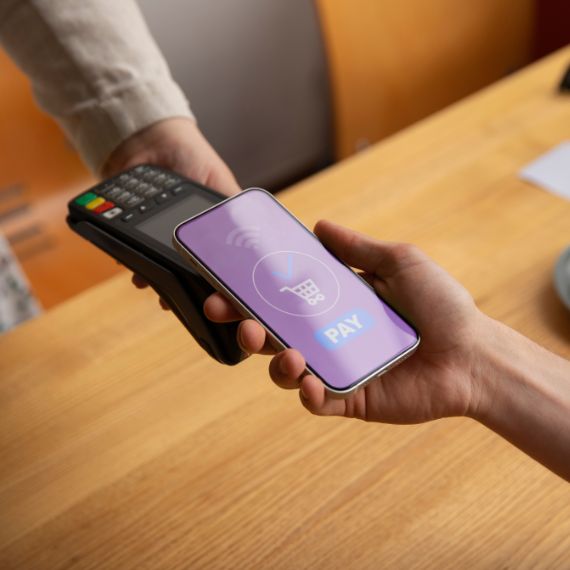
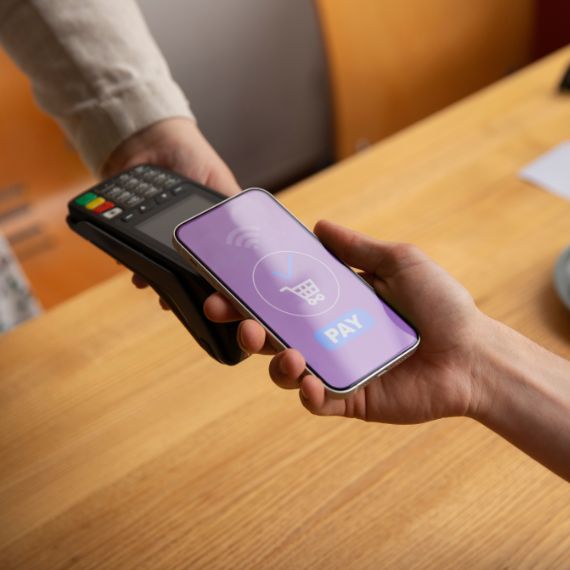
The Europe digital payment market is experiencing a significant transformation toward a fully integrated, cashless economy. Traditional card payments continue to serve as a key component; however, contactless payment methods and embedded digital solutions are rapidly expanding their presence. With smartphone penetration expected to reach 89% by 2025, consumer preference across Europe is increasingly favoring contactless transactions, digital wallets, and mobile payment platforms. Prominent market players including PayPal, Apple Pay, and Google Pay continue to facilitate secure, seamless online and mobile transactions.
Get the Full Report for Comprehensive Insights into the Europe Digital Payment Market
Digital Wallet Expansion and Regulatory Developments in Europe
The introduction of Wero in 2024, as part of the European Payments Initiative (EPI), represents a pivotal advancement in Europe’s digital payment market, striving to establish payment sovereignty by harmonizing national payment systems and diminishing dependence on non-European providers. Concurrently, the EU’s mandate for instant payments by October 2025 and the Digital Euro project (currently in the preparation phase) are set to reshape the regional payment landscape, promoting both financial inclusion and efficiency in cross-border transactions.
Europe POS Payment Trends and Consumer Preferences
Despite the rapid growth of digital payment methods, cash continued to represent 52% of point-of-sale (POS) transactions by volume in 2024, although this share is gradually decreasing. In terms of transaction value, card payments remained dominant, followed by cash and digital wallet transactions. Consumers demonstrate a strong preference for the convenience of card payments, particularly contactless options, while maintaining significant demand for cash access, with 62% of users valuing cash availability during the year.
Emerging Payment Methods and Innovation in the Europe Digital Payment Market
Local digital wallets, such as Wero in France and iDEAL in the Netherlands, are increasingly gaining traction within Europe’s fragmented digital payment market, which continues to support a diverse array of regional solutions. The use of B2B digital payments is also expanding rapidly, reflecting growing enterprise adoption across the continent.
Driven by swift advancements in real-time payments and government-backed enhancements to the European payment infrastructure, alongside rising consumer demand for seamless and secure transaction options, Europe is poised to strengthen its leadership in digital payment innovation. Between 2025 and 2030, the region is expected to witness deeper fintech integration, expansion of contactless payment ecosystems, and the rollout of sovereign digital currency initiatives, including the Digital Euro project.
Europe Digital Payment Industry Insights
Europe Digital Payment Market Revenue, 2019 – 2030F
Coexistence of Cash and Digital Payment Preferences in Europe
-
In 2024, consumer preferences across the Europe digital payment market remained relatively stable, with more than half of shoppers favoring card-based or other non-cash payment methods at physical retail locations. Nevertheless, a significant majority continued to value access to cash, citing reasons such as enhanced privacy and improved budgeting control.
-
Meanwhile, contactless and online payments have expanded, with digital wallets gaining traction in e-commerce. By 2024, online payments made up over a fifth of all consumer transactions by volume and over a third by value, illustrating the region’s transition toward a digitally integrated payment environment while maintaining a strong hold on cash usage.
Germany Digital Payment Market Past and Present Performance, 2019 – 2030F
Europe Digital Payment Market Segmentation
-
Solutions
-
Services
-
Small & Medium Enterprises
-
Large Enterprises
-
BFSI
-
Retail & E-commerce
-
Healthcare
-
Media & Entertainment
-
IT & Telecommunication
-
Hospitality
-
Others
Geography Assessed
-
Germany
-
United Kingdom
-
France
-
Italy
-
Spain
-
2019 - 2024: Past and Present Scenario
-
2024: Base year of study
-
2025– 2030: Future Outlook
Access More Market Insights on the Banking, Financial Services & Insurance (BFSI) Sector
Scope of the Study for the Europe Digital Payment Market
Makreo Research has recently released its detailed study titled “Europe Digital Payment Market Analysis and Forecast to 2030,” providing an extensive assessment of the dynamic digital payment landscape across the region. The report commences with an in-depth review of Europe’s historical market trends and current market performance, emphasizing significant developments such as:
-
Widespread adoption of contactless payment methods in Europe
-
Integration of real-time payment systems throughout the EU
-
Increasing consumer preference for digital-first and mobile payment solutions
Europe Digital Payment Market Segmentation and Adoption Trends
The report delivers a comprehensive segmentation of the Europe digital payment market, offering valuable insights into usage patterns and adoption trends across both consumer and enterprise segments. This segment-wise analysis highlights key growth opportunities and addresses adoption barriers among diverse demographic groups and business categories.
Country-Level Digital Payment Market Analysis in Europe
The report presents a detailed country-level assessment of the Europe digital payment market, covering five key geographies:
-
Germany
-
United Kingdom
-
France
-
Italy
-
Spain
Each country profile provides in-depth insights into national payment behaviours, regulatory landscapes, technological advancements, and digital payment market growth trajectories. Segment-wise breakdowns are included to capture localized trends in digital payment adoption, highlighting unique challenges and opportunities within each nation’s evolving financial ecosystem.
Europe Digital Payment Market - Future Outlook & Strategic Insights
The report concludes with a forward-looking perspective on the Europe digital payment market, offering strategic insights to guide stakeholders in navigating the evolving financial and technological landscape. It features comprehensive market projections through 2030, covering both regional trends and country-specific forecasts for major European economies.
Looking for a Section from Report? Start your Partial Purchase Request
Table of Contents
- 1.Research Methodology
- 1.1.Research Objective
- 1.2.Europe Digital Payment Market Definitions
- 1.3.Research Design and Procedure
- 1.4.Research Methodology
- 1.5.Analytical Framework
- 2.Europe Digital Payment Market Past and Present Performance
- 2.1.Europe Digital Payments Market: An Overview
- 2.2.Europe Payment Methods for E Commerce and POS
- 2.2.1.Europe Digital Payment Methods for E commerce by Countries
- 2.2.2.Europe Digital Payment Methods for POS (Point of Sale) by Countries
- 2.3.Europe Share Of Transaction Value By Payment Instrument Global Comparison
- 2.4.Europe Digital Payment Market Past and Present Performance
- 2.4.1.Europe Digital Payment Market by Component (Solutions & Services)
- 2.4.2.Europe Digital Payment Market by Deployment Model (On-premise & Cloud Based)
- 2.4.3.Europe Digital Payment Market by Organization Size
- 2.4.4.Europe Digital Payment Market by Vertical
- 2.4.5.Europe Digital Payment Market by Country
- 3.Germany Digital Payment Market Past and Present Performance
- 3.1.Germany Digital Payments Market: An Overview
- 3.2.Germany Digital Payment Methods for E commerce and POS (Point of Sale)
- 3.3.Germany Share of Payment Instruments by Number of Transactions
- 3.4.Germany Share of Payment Instruments by Turnover
- 3.5.Germany Use of Online Banking
- 3.5.1.Germany Online Banking Method
- 3.6.Germany Digital Payment Market Past and Present Performance
- 3.6.1.Germany Digital Payment Market by Component (Solutions & Services)
- 3.6.2.Germany Digital Payment Market by Deployment Model (On-premise & Cloud Based)
- 3.6.3.Germany Digital Payment Market by Organization Size
- 3.6.4.Germany Digital Payment Market by Vertical
- 4.United Kingdom Digital Payment Market Past and Present Performance
- 4.1.United Kingdom Digital Payments Market: An Overview
- 4.2.United Kingdom Digital Payment Methods for E commerce and POS (Point of Sale)
- 4.3.United Kingdom Total Payment Volumes
- 4.4.United Kingdom Proportion by Age Group Using Mobile Payments
- 4.5.United Kingdom Proportion by Age Group Using BNPL Services
- 4.6.United Kingdom Digital Payment Market Past and Present Performance
- 4.6.1.United Kingdom Digital Payment Market by Component (Solutions & Services)
- 4.6.2.United Kingdom Digital Payment Market by Deployment Model (On-premise & Cloud Based)
- 4.6.3.United Kingdom Digital Payment Market by Organization Size
- 4.6.4.United Kingdom Digital Payment Market by Vertical
- 5.France Digital Payment Market Past and Present Performance
- 5.1.France Digital Payment Market: An Overview
- 5.2.France Digital Payment Methods for E commerce and POS (Point of Sale)
- 5.3.France Payment Instruments and Consumers Preferences
- 5.4.France Digital Payment Market Past and Present Performance
- 5.4.1.France Digital Payment Market by Component (Solutions & Services)
- 5.4.2.France Digital Payment Market by Deployment Model (On-premise & Cloud Based)
- 5.4.3.France Digital Payment Market by Organization Size
- 5.4.4.France Digital Payment Market by Vertical
- 6.Italy Digital Payment Market Past and Present Performance
- 6.1.Italy Digital Payments Market: An Overview
- 6.2.Italy Digital Payment Methods for E commerce and POS (Point of Sale)
- 6.3.Italy Payment Methods and Card Schemes in E-Commerce
- 7.Spain Digital Payment Market Past and Present Performance
- 7.1.Spain Digital Payments Market: An Overview
- 7.2.Spain Digital Payment Methods for E commerce and POS (Point of Sale)
- 7.3.Spain Payment Method Availability
- 8.Europe Digital Payment Market – Other Countries
- 8.1.Belgium Digital Payment Methods for E commerce and POS (Point of Sale)
- 8.2.Denmark Digital Payment Methods for E commerce and POS (Point of Sale)
- 8.3.Finland Digital Payment Methods for E commerce and POS (Point of Sale)
- 8.4.Ireland Digital Payment Methods for E commerce and POS (Point of Sale)
- 8.5.Netherlands Digital Payment Methods for E commerce and POS (Point of Sale)
- 8.6.Norway Digital Payment Methods for E commerce and POS (Point of Sale)
- 8.7.Poland Digital Payment Methods for E commerce and POS (Point of Sale)
- 8.8.Sweden Digital Payment Methods for E commerce and POS (Point of Sale)
- 8.9.Turkey Digital Payment Methods for E commerce and POS (Point of Sale)
- Limitations of the study
Related Reports - Banking, Financial Services & Insurance