Australia Logistics and Warehousing Market Size and Forecast (2018-2028) – Focus on by Mode of Transportation, Freight Forwarding, Postal & courier, Warehousing, VAS and 3PL
Overview
Australia Logistics Market Analysis
In 2022, Australia's freight and logistics industry experienced remarkable double-digit growth, driven by the country's strategic geographical location and active engagement in international trade. This growth underscores the intrinsic link between Australia's trade dynamics and the performance of its logistics sector.
The expansion of Australia's logistics market was fueled by its strategic geographic position and strong international trade relations. With a significant dependence on global trade, especially with key partners like China, the United States, Japan, and other Asian nations, Australia's logistics sector is intricately connected to global trade patterns and the demand for its exports.
Moreover, Australia's logistics and warehousing market is poised for further growth, with projections indicating a surge at a 4.83% compound annual growth rate (CAGR) by 2028. This anticipated boom reflects the country's increasing demand for efficient storage and distribution solutions, driven by factors such as e-commerce growth and evolving consumer preferences.
Over the past five years, Australia's logistics market has navigated through periods of growth, contraction, and recovery. Notably, 2022 witnessed a substantial rebound from the challenges of 2020 and 2021. This robust growth showcases the industry's resilience and its capacity to overcome adversities.
E-commerce Surge and Technological Integration Reshape the Industry
The burgeoning e-commerce landscape has left a profound impact on Australia's logistics industry, driving the demand for more efficient last-mile delivery services. To meet this demand, the sector has embraced advanced technologies like automation, the Internet of Things (IoT), and data analytics. The strategic integration of these technologies has played a pivotal role in optimizing supply chains and overall operational performance.
Australia Freight Forwarding Segment
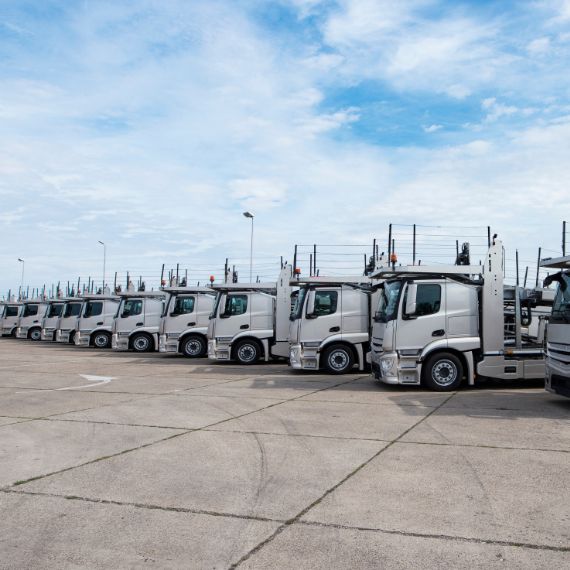
The Australian freight and logistics market is divided into four major modes of transportation: Road freight, Rail freight, Marine freight and Air Freight. Rail transportation is the dominant mode for domestic freight movement in Australia, accounting for over half of the market share. Road transport, though not as significant as rail, still holds a substantial portion of the market share. This is likely due to its flexibility, adaptability to various types of goods, and ability to provide direct deliveries to smaller and more remote areas.
- Road Transport: With a volume of 230.11 units, Australia's road transport plays a key role in the last-mile delivery and the movement of goods within urban areas and regions where road infrastructure is well-developed. It is crucial for connecting distribution centers, warehouses, and retail locations.
- Marine Transport: While marine transport had a relatively smaller volume of 103.5 units, it still plays a role in connecting coastal areas and utilizing waterways for freight movement, particularly for larger quantities of goods or where overland transportation may not be as efficient.
Parcel Delivery Market in Australia: Australia Post's Dominance
Australia Post solidifies its leadership in the Business-to-Consumer (B2C) parcel delivery sector across Australia, leveraging its expansive network to serve even the most remote regions. Amidst heightened competition in urban hubs, Australia Post maintains unrivaled authority, particularly in less densely populated areas. The surge in parcel deliveries throughout 2021 mirrors the exponential growth of the e-commerce landscape, further cementing Australia Post's position as the go-to logistics partner for businesses and consumers alike.
Australia 3PL Market
Australia's 3PL market, a dynamic and evolving sector, assumes a pivotal role in the nation's supply chain and logistics framework. With businesses increasingly recognizing the advantages of outsourcing non-core functions, the 3PL market in Australia has gained notable traction. This market extends beyond traditional logistics, encompassing services like warehousing, transportation, inventory management, and value-added offerings.
Australian Logistics Market: Transformative Trends in Warehousing & Cold Storage
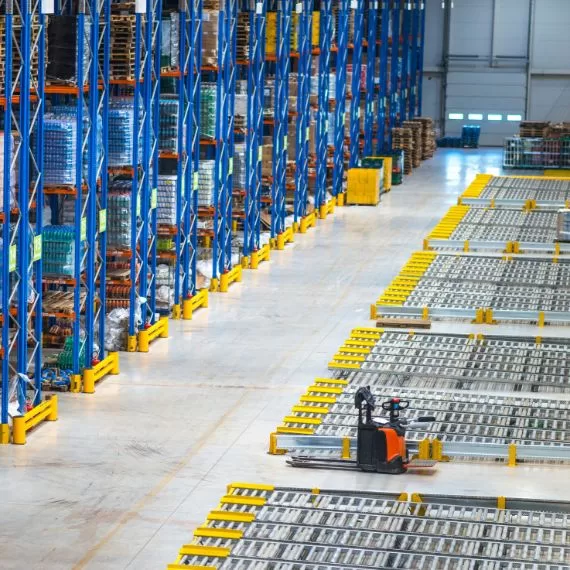
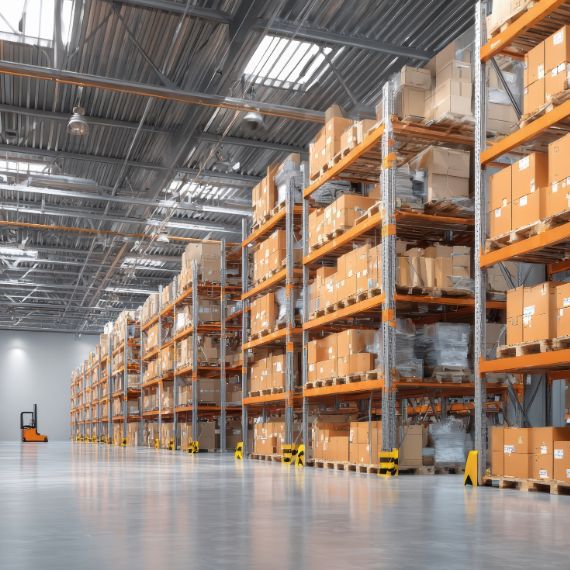
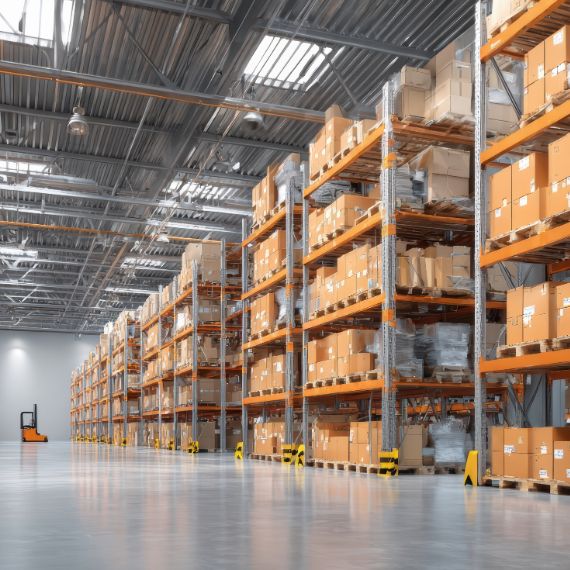
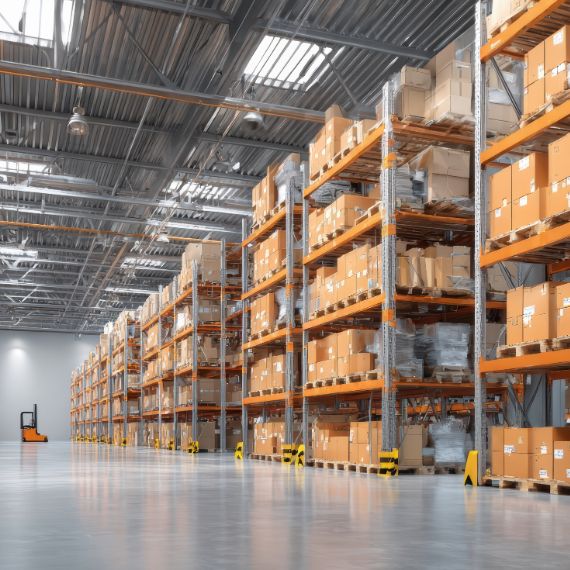
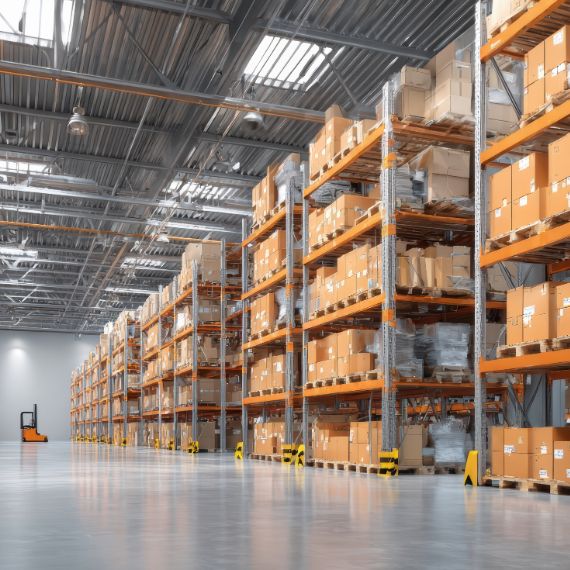
The Australian logistics market, including warehousing and cold storage, has seen remarkable growth. Participants in this sector provide essential warehousing and cold storage solutions to a variety of downstream markets, benefiting from favorable shifts in demand dynamics. The landscape of warehousing facilities has evolved into sophisticated distribution hubs, seamlessly integrating the entire supply chain. This evolution enables efficient just-in-time stock replenishment, particularly advantageous in the context of the booming online retail sector. The convenience, accessibility, and transparent pricing of online shopping resonate well with consumers, further fueling the demand for warehousing and cold storage services in Australia.
Scope of the Study
The study conducted by Makreo Research on the “Australia Logistics and Warehousing Market Size and Forecast (2018-2028) – Segmentation by Mode of Transportation, Freight Forwarding, Postal & courier, Warehousing, VAS & 3PL" provides a comprehensive analysis of the market, encompassing a wide range of factors. The report takes into account both qualitative and quantitative factors, indicating a well-rounded approach to analysis. The inclusion of both qualitative and quantitative factors in the study ensures that readers gain a more complete understanding of the Australia Logistics and Warehousing Market. It goes beyond mere numbers and incorporates insights into consumer behavior, industry trends, and market dynamics. This holistic approach enhances the overall analysis and makes the study a valuable resource for individuals or organizations interested in exploring the logistics, warehousing, 3PL, cold chain, parcel service market in Australia. Moreover, the report's focus on past and present performance, as well as potential growth opportunities in the future, enables readers to identify key areas of interest and investment.
Period of Study:
2018-2022 : Past and Present Scenario
2022: Base Year
2023-2028 : Future Outlook of the Industry
Segmentation Covered:
By Type of Services
- Freight Forwarding
- Warehousing & Cold Chain
- Parcel Services
- 3PL
Warehousing Market
- General Warehouses
- Cold Storage
- Cold Chain
Freight Forwarding
- By Mode of Transportation
- By Air
- By Road
- By Sea
- By Rail
Companies Covered
- DHL Group
- Linfox
- FedEx Corporation
- DB Schenkar
- Aramex
- Ceva Logistics
- United Parcel Service
- Toll Group
- Brambles
Looking for a Section from Report? Start your Partial Purchase Request
Table of Contents
- Report Synopsis
- Key Industry Highlights
- Industry overview
- 1.Research Methodology
- 1.1.Objectives of the Study
- 1.2.Research Process
- 1.3.Data Collection Methods
- 1.4.Analytical Framework
- 2.Australia Logistics and Warehousing Market – EPTD Analysis
- 2.1.EPTD Analysis : Country Overview
- 2.1.1.Economic Overview : GDP Performance
- 2.1.1.1.Economic Performance of Australia V/s Other leading trading countries
- 2.1.1.2.Economic Overview : Inflation
- 2.1.1.3.Economic Overview : FDI
- 2.1.2.Political Overview
- 2.1.2.1.Logistic Performance Index
- 2.1.3.Technological Overview
- 2.1.4.Demographic Overview
- 2.1.1.Economic Overview : GDP Performance
- 2.1.EPTD Analysis : Country Overview
- 3.Australia Freight and Logistics Market – Trade Performance
- 3.1.Australia Export Performance, 2022
- 3.1.1.Australia Major Exporting Partners
- 3.1.2.Australia Export Performance
- 3.2.Australia Import Performance
- 3.2.1.Australia Major Importing Partners
- 3.2.2.Australia Import Performance
- 3.1.Australia Export Performance, 2022
- 4.Australia Logistics Infrastructure (Rail, Road, Sea Ports and Air)
- 4.1.Logistics Infrastructure in Australia
- 4.1.1.Logistics Infrastructure in Australia : Road Transport
- 4.1.2.Logistics Infrastructure in Australia : Rail Transport
- 4.1.3.Logistics Infrastructure in Australia : Air Transport
- 4.1.4.Logistics Infrastructure in Australia : Maritime Transport
- 4.1.4.1.Australia Container Port Traffic
- 4.1.4.2.Australia Liner Shipping Connectivity Index
- 4.1.Logistics Infrastructure in Australia
- 5.Australia Freight and Logistics Market – Past and Present Performance
- 5.1.Australia Logistics and Warehousing Market : Industry Structure
- 5.2.Australia Logistics Market : Key Facts
- 5.2.1.LPI Score Australia vs Major Trading Countries
- 5.3.Australia Logistics and Warehousing Market Revenue : Past & Present Performance
- 5.4.Australia Logistics and Warehousing Market : Key Challenges
- 6.Australia Freight and Logistics Market Segmentation
- 6.1.Australia Logistics and Warehousing Market : by Type of Service
- 6.2.Australia Domestic Freight Market : by Mode of Transport
- 6.3.Australia Rail Freight Market : by Bulk and Non-Bulk
- 6.4.Australia Road Freight Market : by Type (Crude Material, Manufactured Good, Food & Live Animals, and Others)
- 6.5.Australia Rail Freight Market : by Type (Iron Ore, Coal, Non Bulk & Others)
- 7.Australia Freight by Mode of Transportation
- 7.1.Australia Domestic Freight Market by Bulk and Non-Bulk
- 7.2.Australia Domestic Freight Volume by Mode of Transport
- 7.3.Australia Sea Freight Movement
- 7.3.1.Australia Domestic Sea Freight Market: By State/Territory, By Mode of Transport – Shipping
- 7.3.2.Australia Sea Freight Performance: Port Freight (Bulk and Non-Bulk) and TEU
- 7.3.3.Australia Sea Freight Performance: Port Freight (Bulk Freight)
- 7.3.4.Australia Sea Freight Performance: Export Value and Export Weight
- 7.3.5.Australia Sea Freight Performance: Import Value and Import Weight
- 7.3.6.Pilbara Ports Performance: Cargo Handling
- 7.3.6.1.Pilbara Ports Authority Highlights 2021-22
- 7.3.7.Port Hedland Performance
- 7.3.7.1.Port Hedland Cargo Weight Handled
- 7.3.8.Ports of Dampier Performance
- 7.3.9.Australia Sea Freight Cargo Loaded: by Region (NSW, Queensland Port)
- 7.3.10.Australia Sea Freight Cargo Loaded: by Region (VIC, South Australia)
- 7.3.11.Australia Sea Freight Cargo Loaded: by Region (Western Australia Port, Tasmania Port)
- 7.3.12.Australia Sea Freight Cargo Loaded: by Region (Northern Territory Port)
- 7.4.Australia Air Freight: An Overview
- 7.4.1.Australia Air Freight Performance
- 7.5.Australia Rail Freight: An Overview
- 7.5.1.Australia Rail Freight Market: by Bulk and Non-Bulk
- 7.6.Australia Road Freight Volume
- 7.6.1.Australia Road Freight Market: by Bulk & Non-Bulk
- 7.6.2.Australia Road Transport Market: by State/Territory
- 7.6.3.Australia Road Freight Market: by Type (Crude Material, Manufactured Goods, Food & Live Animals, and Others)
- 8.Australia Parcel Service Market Performance
- 8.1.Australia Parcel Service Market : An Overview
- 8.2.Australia Parcel Shipment Volume
- 8.3.Australia Parcel Market Performance by Sales and Service Income
- 8.4.Australia Parcel Market Revenue : Past & Present Performance
- 9.Australia Third-Party Logistics (3PL) Market Performance
- 9.1.Australia Third-party Logistics (3PL) Market : An Overview
- 9.2.Benefits of Working with Third-Party Logistics Provider in Australia
- 9.3.Australia Third-Party Logistics Market Revenue : Past and Present Performance
- 10.Australia Warehousing and Cold Chain Market Performance
- 10.1.Australia Warehousing Market : An Overview
- 10.1.1.Storage Unit Cost in Australia
- 10.1.2.Number of Chemic Warehouse Pharmacies in Australia
- 10.1.3.Warehouse Construction Cost in Australia
- 10.2.Cold Storage Warehouse Capacity in Australia
- 10.2.1.Per-capita Cold Storage Capacity by Market
- 10.2.2.Australia Cold Storage Warehouse Size
- 10.3.Australia Warehousing and Cold Chain Market : Key Challenges
- 10.4.Australia Warehousing and Cold Chain Market Revenue : Past and Present Performance
- 10.5.Australia Warehousing Market Segmentation : by Type
- 10.1.Australia Warehousing Market : An Overview
- 11.Australia Freight and Logistics Market – Role of eCommerce
- 11.1.Digital Outlook of Australia
- 11.2.Australia E-commerce Market Potential and Growth
- 11.3.E-commerce and Online Shopping : Key Facts
- 11.4.Impact of E-commerce Growth in the Australia Freight & Logistics Market
- 11.5.Australia E-commerce Performance
- 12.Australia Freight and Logistics Market – Future Outlook
- 12.1.Australia Logistics and Warehousing Market Future Outlook
- 12.2.Australia Parcel Service Market Future Outlook
- 12.3.Australia Third-Party Logistics (3PL) Market Future Outlook
- 12.4.Australia Warehousing and Cold Chain Market Future Outlook
- 13.Australia Logistics Market Dynamics
- 13.1.Australia Logistics and Warehousing Market : Recent Trends & Developments
- 13.2.Australia Logistics and Warehousing Market Drivers
- 13.3.Australia Logistics and Warehousing Market Challenges
- 14.Australia Logistics Market – Competitive Landscape
- 14.1.Australia Logistics and Warehousing Market Competition : Road Freight
- 14.2.Australia Logistics and Warehousing Market Competition : Rail Freight
- 14.3.Australia Leading Parcel Service Providers Positioning
- 15.Australia Logistic Market – Mergers/Acquisition/ Investment
- 15.1.Mergers /Acquisitions/ Investments : DB Schenker
- 15.2.Mergers /Acquisitions/ Investments : DHL Group
- 15.3.Mergers /Acquisitions/ Investments : FedEx Corporation
- 15.4.Mergers /Acquisitions/ Investments : United Parcel Services
- 15.5.Mergers /Acquisitions/ Investments : CEVA Logistics
- 15.6.Mergers /Acquisitions/ Investments : Brambles, Linfox
- 16.Australia Third-Party Logistics (3PL) Market – Company Profile
- 16.1.Company Profile : Pro Prep and Fulfillment Australia
- 16.2.Company Profile : Sourci
- 16.3.Company Profile : 365 Freight and Customs PTY LTD
- 16.4.Company Profile : 1800 We Store It
- 16.5.Company Profile : Stockwell International
- 16.6.Company Profile : Mondiale VGL Pty Ltd
- 17.Australia Logistics Market – Company Profile
- 17.1.Company Profile : DB Schenker
- 17.2.Company Profile : Linfox Australia Pty Ltd.
- 17.3.Company Profile : Aramex Australia
- 17.4.Company Profile : DHL Group
- 17.5.Company Profile : United Parcel Service, Inc.
- 17.6.Company Profile : FedEx Corporation
- 17.7.Company Profile : Toll Group
- 17.8.Company Profile : CEVA Logistics
- 17.9.Company Profile : Brambles
- Limitations of the Study
Related Reports - Automotive & Transportation