Philippines Warehousing and Cold Chain Market Size and Forecast (2019-2030) – Analysis by Type of Services, End-User Industry, Regional Insights, Demand-Supply Gap, Storage Capacity, and Lease Rate Trends - Second Edition
Philippines Warehousing and Cold Chain Market Size
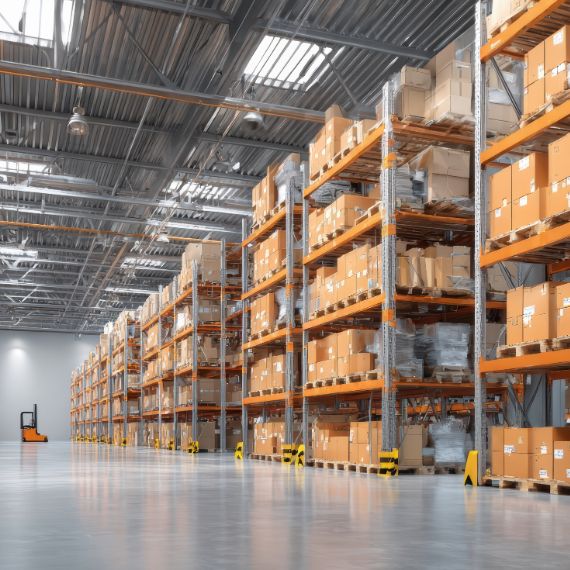
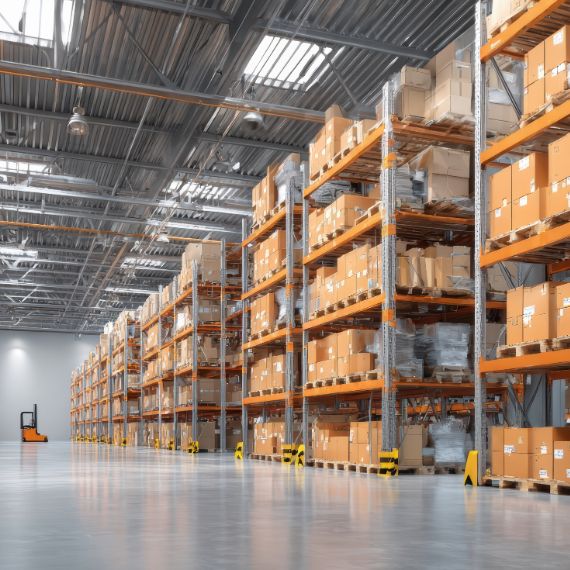
The Philippines warehousing and cold chain market has witnessed substantial momentum in recent years, recording a projected compound annual growth rate (CAGR) of 6.34% between 2019 and 2024. This growth is underpinned by the country's advantageous geographical position, establishing it as a vital logistics and distribution center in Southeast Asia.
A surge in e-commerce warehousing demand in the Philippines has notably contributed to the expansion of warehousing and storage services, especially to accommodate the rapid delivery of perishable and temperature-sensitive items. Additionally, the rising output from the manufacturing sector has amplified the need for efficient warehousing solutions to streamline the handling of raw materials, inventory, and distribution activities.
Government efforts through the Build Build Build infrastructure impact initiative have further enhanced the landscape by investing significantly in the development of transport and logistics networks, leading to improved logistics infrastructure development in the Philippines and increased warehouse capacity in the Philippines (2024).
With ongoing growth across retail, manufacturing, and pharmaceutical segments, the demand for modern cold chain infrastructure in the Philippines remains robust. The expanding scope of Philippines cold chain logistics trends highlights the industry's evolving nature and emphasizes the increasing need for reliable cold storage solutions.
As the country progresses toward becoming a regional logistics powerhouse, the market for warehousing and cold chain in the Philippines is poised for continued expansion.
Philippines Manufacturing Output and Warehousing Market Trends
The manufacturing sector in the Philippines recorded uneven growth between 2022 and 2024. In 2024, the Manufacturing PMI indicated a positive outlook, reaching 53.9 in Q4, while industrial production registered a modest annual increase of 0.2%. Growth in select high-tech segments was offset by declines in others, reflecting a mixed performance.
In 2023, the Philippines manufacturing warehousing trends aligned with an output increase to USD 70 billion, marking a 1.76% rise, though the growth rate moderated to 1.3%. The sector was valued at USD 69 billion in 2022, with marginal growth of 0.22% and a slowdown in the annual growth rate to 4.9%, compared to 8.9% in 2021. These shifts underscore evolving dynamics influencing the warehousing and cold chain market Philippines, particularly in supporting inventory management for industrial operations.
Key Projects Shaping the Warehousing and Cold Chain Market Philippines (2024)
Port Cold Chain Network Project
▪ Currently in the pre-project preparation stage, the Port Cold Chain Network initiative, estimated at PHP 30.80 billion, seeks to establish a nationwide cold chain network across ports in the Philippines. Overseen by the Department of Transportation (DOTr) and backed by Official Development Assistance (ODA), the project aims to reduce agricultural spoilage and enhance the cold chain infrastructure in the Philippines, supporting better food security, improved export quality, and overall logistics infrastructure development in the Philippines.
Bataan–Cavite Interlink Bridge
▪ The planned Bataan–Cavite Interlink Bridge, with an estimated investment of USD 3.91 billion, is poised to become one of the world’s longest marine bridges. Funding comprises USD 2.1 billion from ADB, USD 1.14 billion from AIIB, and PHP 664.23 million from the Philippine government. As of May 22, 2024, AIIB has confirmed its funding support, with construction projected to commence between early and mid-2025, an important move under the Build Build Build infrastructure impact program, aiming to strengthen national connectivity and support Philippines logistics and warehousing market expansion.
Rising E-Commerce Market Driving Warehousing Demand
-
The Philippine e-commerce sector surged to USD 21 billion in 2023 and is projected to reach USD 30 billion by 2025. This growth is driving heightened e-commerce warehousing demand in the Philippines, especially in urban centers and last-mile delivery zones.
-
With e-commerce accounting for 7.5% of total retail in 2023 (forecasted to reach 9.5% by 2028), both retailers and logistics providers are rapidly investing in modern warehousing and storage services in the Philippines, including automated distribution hubs and cold storage market in the Philippines to meet rising expectations for swift and reliable fulfillment.
The Philippines warehousing and cold chain market is poised for steady expansion, with cold storage supply projected to grow by 9% in 2025. This growth is supported by increasing international trade in meat and seafood, driving demand for efficient cold chain infrastructure in the Philippines. Climate-related disruptions and recurring livestock diseases further emphasize the need for resilient cold storage and distribution systems. As of 2024, the Philippines’ population stands at approximately 118 million—one of the largest in Southeast Asia—sustaining ongoing demand for food and pharmaceutical cold storage solutions. Despite a gradual decline, the population growth rate remains notable at 1.3% to 1.5% annually.
Philippines Warehousing and Cold Chain Industry Insights
Philippines Cold Storage Market, 2019 - 2024
Consistent Growth Backed by Strategic Investments (CAGR: 5.39%)
The cold storage market in the Philippines expanded at a CAGR of 5.39% from 2019 to 2024, driven by rising investments in temperature-controlled warehousing for perishable goods, notably in the food and beverage logistics segment.
Post-Pandemic Expansion Amid Infrastructure Constraints
By 2022, the market regained and exceeded its pre-pandemic levels, supported by improved agricultural yields and growing demand for cold storage in the Philippines. Despite this, limited cold chain infrastructure in rural areas continued to hinder broader distribution. In 2023, leading players in the Philippines cold chain market initiated major cold storage expansion projects, significantly boosting warehouse capacity and enhancing cold chain logistics across regional warehouse hubs.
2024 (Estimated): Continued Growth and Capacity Expansion
By 2024, the Philippines cold chain market is expected to maintain its upward trajectory, with warehouse capacity projected to grow by approximately 8%. This growth is supported by sustained cold chain infrastructure development and efforts to enhance logistics efficiency across the Philippines warehousing and cold chain market.
Comparative Ranking of Major Players in the Philippines Based on Pallet Position Capacity
Future Plans of Major Warehousing and Cold Chain Companies in the Philippines
DHL Supply Chain: Expansion Plans (2023 - 2028)
- DHL Supply Chain is investing as part of its Euro 350 million expansion strategy, which aims to boost warehouse capacity in Southeast Asia by 25% (~400,000 m²) by 2028. In the Philippines, DHL’s facilities include 30,000 m² of warehousing and office space to support this expansion initiative.
FAST Logistics Group: Expansion Plans (2024 - 2026)
-
In 2024, FAST Logistics Group launched its cold chain business brand, "Fresh", alongside the opening of two cold chain hubs in Cavite and North Cebu. The company has committed an initial investment of PHP 500 million and plans to invest up to PHP 2 billion over the next two years to establish additional locations across Luzon, Visayas, and Mindanao.
-
Currently operating with 10,000 cold storage pallet positions, FAST Logistics aims to expand this capacity to over 100,000 pallet positions by 2026, reinforcing its commitment to supporting the food and pharmaceutical industries.
Key Challenges in the Philippines Warehousing and Cold Chain Market
The warehousing and cold chain market in the Philippines continues to face critical challenges affecting growth and operational efficiency. Persistent gaps in logistics infrastructure development, elevated energy costs, and a fragmented market structure hinder progress. The industry also grapples with a shortage of skilled labor, regulatory complexities, and logistical constraints caused by the country’s archipelagic layout. High capital requirements for cold storage investments and the slow pace of cold chain modernization further strain market expansion. Addressing these barriers will be essential to support sustainable cold chain market growth in the Philippines.
Scope of the Study for the Philippines Warehousing and Cold Chain Market
Makreo Research has released a comprehensive report titled "Philippines Warehousing and Cold Chain Market Size and Forecast (2019–2030) – Analysis by Type of Services, End-User Industry, Regional Insights, Demand-Supply Gap, Storage Capacity, and Lease Rate Trends." This in-depth study offers detailed insights into the Philippines logistics and warehousing market, covering major regions such as Manila, Davao, and Luzon.
The report begins with a macroeconomic overview of the Philippines’ trade environment, followed by a deep dive into the performance of the warehousing and cold chain market in the Philippines. It assesses current market trends, storage capacity, and forecasts in alignment with the evolving demand across sectors.
Key players in the Philippines cold chain and warehousing industry—particularly in food and beverage logistics, retail and e-commerce, and pharmaceutical cold storage—are thoroughly profiled. The report covers essential details such as cold storage capacity, pallet positions, regional revenue contributions, recent cold chain expansion projects, and financial developments.
Notable companies featured include FedEx Philippines, VVS Cold Storage & Processing Plant Corporation, Jenco Storage Inc., ORCA Cold Chain Solutions, and Glacier Megafrige, among others.
Philippines Warehousing Market Segmentation
-
Warehousing
-
Cold Chain
-
Manufacturing
-
Agriculture
-
Pharmaceuticals
-
F&B
-
Retail & E-Commerce
Geography Assessed
-
NCR
-
Mindanao
-
Visayas
-
Luzon
Philippines Cold Chain Market Segmentation
-
Cold Storage
-
Cold Transport
-
Market Share of Major Players
-
Comparative analysis on key parameters
-
Mergers and Acquisitions
-
Funding Timeline
-
Company Profiles of Key Players
Companies Covered in the Philippines Warehousing and Cold Chain Market
-
ORCA Cold Chain Solutions Inc.
-
VVS Cold Storage & Processing Plant Corporation
-
Yusen Logistics (Philippines) Inc.
-
2GO Group, Inc.
-
DHL Express (Philippines) Corp.
This report covers 17 players. To know more, please reach out to [email protected].
What is the CAGR of the Philippines warehousing and cold chain market from 2019 to 2024? +
What are the key factors driving growth in the Philippines warehousing market? +
What is driving demand for cold storage in the Philippines? +
Which companies are the leading players in the Philippines warehousing and cold chain sector? +
Which infrastructure projects are shaping the Philippines cold chain market? +
What challenges does the Philippines warehousing and cold chain market face? +
Looking for a Section from Report? Start your Partial Purchase Request
Table of Contents
- 1.Research Methodology
- 1.1.Objective of the Study
- 1.2.Storage and Retail Market Definitions
- 1.3.Warehousing and Cold Storage Definitions
- 1.4.Different Types of Warehouses in Philippines
- 1.5.Research Design and Procedure
- 1.6.Data Collection Methods
- 1.7.Analytical Framework
- 2.Philippines Macro-Economic Analysis
- 2.1.Philippines Economic Trends
- 2.2.Philippines Manufacturing Output
- 2.3.Philippines E-commerce Growth Driven by Rising Disposable Income
- 2.4.Philippines Political Framework Parameters
- 2.4.1.Government Regulations & Policies Impacting Philippines Warehousing and Cold Chain
- 2.5.Warehousing & Cold Chain - Regional Best Practices for the Philippines
- 2.6.Philippines Demographic Trends
- 3.Philippines Trade Performance
- 3.1.Key Developments in the Philippines Trade and Infrastructure Landscape
- 3.2.Philippines Trade Performance Overview
- 3.3.Philippines Balance, Exports by Destination, and Agricultural Trade
- 3.3.1.Philippines Agricultural Exports of Top Five Commodity Groups
- 3.3.2.Philippines Export Trends by Commodities
- 3.4.Philippines Total Imports Trends and Regional Distribution
- 3.4.1.Philippines Import Trends by Commodities
- 4.Philippines Warehousing Demand and Supply Trends
- 4.1.Philippines Warehousing Market Trends
- 4.2.Philippines Warehousing Market - Demand and Supply Gap
- 4.3.Philippines Warehouse Club Market - Sales and Store Count
- 4.4.Philippines Warehouse Stock
- 4.5.Metro Manila Warehousing Market - An Overview
- 4.6.Philippines Metro Manila Warehousing Market - Space Utilization
- 5.Philippines Warehousing and Cold Chain Market Performance
- 5.1.Philippines Warehousing and Cold Chain Market Past and Present Performance
- 5.2.Philippines Warehousing and Cold Chain Market Segmentation
- 5.3.Philippines Warehousing and Cold Chain Market by Type of Services
- 5.4.Philippines Warehousing and Cold Chain Market by Geography
- 5.5.Philippines Warehousing and Cold Chain Market by End-User Industry
- 5.5.1.Philippines Warehousing and Cold Chain Logistics in the F&B Sector
- 5.5.1.1.Economic Impact of Philippines Food and Beverage Industry
- 5.5.2.E-Commerce and Cold Chain Demand in the Philippines
- 5.5.2.1.Retail Market in the Philippines
- 5.5.3.Philippines Pharmaceutical Market and Cold Chain Logistics
- 5.5.4.Cold Chain Innovations Driving Agricultural Industry in the Philippines
- 5.5.4.1.Philippines Agriculture, Forestry & Fishing Sector Performance and Livestock Inventory
- 5.5.5.Philippines Manufacturing Industry Performance
- 5.5.1.Philippines Warehousing and Cold Chain Logistics in the F&B Sector
- 6.Philippines Cold Chain Market
- 6.1.Philippines Cold Chain Market - An Overview
- 6.2.Spatial Distribution of Cold Chain Facilities by Area and Capacity
- 6.3.Philippines Cold Chain Market Past and Present Performance
- 7.Philippines Cold Storage Market
- 7.1.Philippines Cold Storage Market - Supply and Occupancy Trends
- 7.2.Spatial Distribution of Cold Storage Facilities by Area and Capacity
- 7.3.Philippines Regional Cold Storage Demand by Sector
- 7.4.Classification of Cold Storage Facilities by Business Model in the Philippines
- 7.5.Philippines Lease Rates of Refrigerated Warehouses
- 7.6.San Miguel Brewery, Inc. Cold Storage Facility Lease Summary
- 7.7.Philippines NCR Cold Storage Demand
- 7.8.Luzon Location of Major Players and Cold Storage Capacity
- 7.9.Visayas Location of Major Players and Cold Storage Capacity
- 7.10.Mindanao Location of Major Players and Cold Storage Capacity
- 8.Philippines Cold Transport Market
- 8.1.Philippines Cold Transport - Pallet Load Guidelines for Commodities
- 8.2.Philippines Inbound and Outbound Cargo Expenditure
- 8.3.Philippines Port Storage Charges for Dry & Reefer Containers
- 8.4.Refrigerated Truck Market in the Philippines
- 9.Philippines Warehousing and Cold Chain Market Competitive Landscape
- 9.1.Philippines Warehousing and Cold Chain Market - Key Players and Market Share
- 9.2.Ranking of Major Players
- 9.3.Comparison of Major Players by Recent Developments
- 9.4.Certifications Held by Leading Warehousing and Cold Chain Companies in the Philippines
- 9.5.Geographical Presence of Key Warehousing and Cold Chain Companies in the Philippines
- 9.6.Future Plans of Major Philippines Warehousing and Cold Chain Companies
- 9.7.Startup Companies in the Philippines Warehousing and Cold Chain Market
- 10.Philippines Warehousing and Cold Chain Market Mergers /Acquisitions/ Investments/ Disinvestments/Funding
- 10.1.Mergers /Acquisitions/ Investments/ Disinvestments
- 10.2.Funding Timeline
- 11.Philippines Warehousing and Cold Chain Market Company Profiles
- 11.1.Company Profile: 2GO Group, Inc.
- 11.2.Company Profile: Maersk Filipinas Inc.
- 11.3.Company Profile: Logicore Inc.
- 11.4.Company Profile: Schenker Philippines, Inc.
- 11.5.Company Profile: DSV Logistics Solutions Philippines, Inc.
- 11.6.Company Profile: DHL Express (Philippines) Corp.
- 11.7.Company Profile: VVS Cold Storage & Processing Plant Corporation
- In total, 20 companies are covered. For more information, contact our team…
- 12.Philippines Warehousing and Cold Chain Market Challenges
- 12.1.Philippines Warehousing and Cold Chain Market Challenges
- 13.Philippines Warehousing and Cold Chain Market Opportunities
- 13.1.Philippines Warehousing and Cold Chain Market Opportunities
- 14.Philippines Warehousing and Cold Chain Market Future Outlook
- 14.1.Philippines Warehousing and Cold Chain Market Future Outlook
- 14.2.Unlocking the Potential of Co-Warehousing in the Philippines Industrial Market
- 14.3.Philippines Warehousing and Cold Chain Market Forecast
- 14.4.Philippines Cold Storage and Cold Transport Market Forecast
- 14.5.Future Hubs for the Philippines Warehousing and Cold Chain Market
- Limitations of the Study
Related Reports - Automotive & Transportation